
South Korea car maker Hyundai has slashed prices on some of its EV models in Australia by almost $14,000 (off the NSW driveaway prices), with the Kona and the Inter the focus of the price reductions.
The price cuts were announced just hours after Hyundai also flagged the introduction of a new mid-sized electric SUV, the Elexio, to join its growing portfolio of electric models.
The biggest price cuts were delivered on the Kona, with the move narrowing the price premium of the electric version to the petrol variant to just $3,500. Given that the running costs of EVs are considerably lower than those of ICE vehicles, this represents a significant milestone for the company.
The Inster has also seen a cut in prices of more than $7,000 to $35,990 drive away. The electric Kona prices now range from $45,990 to $63,990, with each variant seeing a price cut of more than $13,000. See table below.
| Hyundai Model | Driveaway Price | Saving |
| KONA Electric (Standard Range) | $45,990 | -$13,157.48 |
| KONA Electric (Extended Range) | $49,990 | -$13,357.48 |
| KONA Electric N Line | $54,990 | -$12,557.48 |
| KONA Electric Premium | $59,990 | -$13,857.48 |
| KONA Electric Premium N Line | $63,990 | -$13,007.48 |
| INSTER (Standard Range) | $35,990 | -$7,288.48 |
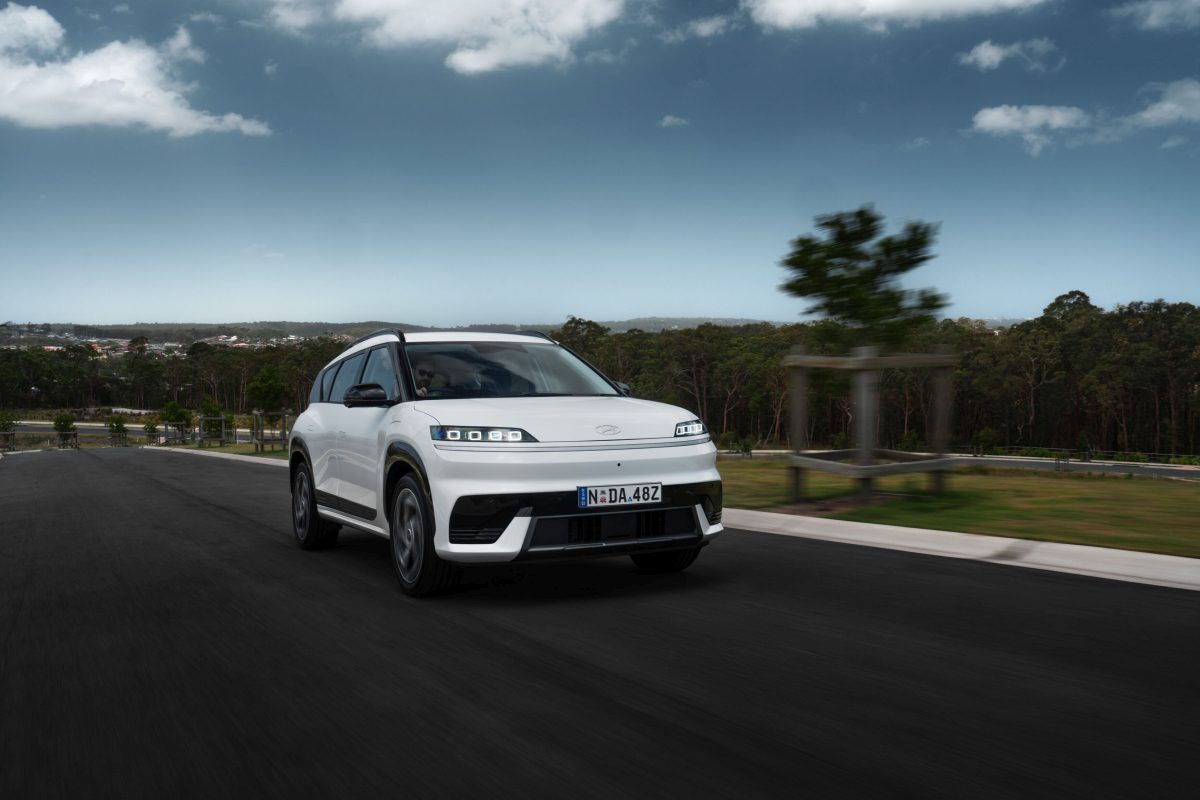
In October 2025, Hyundai, through a joint venture in China with BAIC Motor, launched a new electric SUV called the EO, which is now destined for the Australian market in Q1 as Elexio in the Elite variant, starting at $59,990 driveaway.
“Elexio will offer an ideal blend of size, space, efficiency and value-for-money,” Hyundai Motor Company Australia Chief Operating Officer, Gavin Donaldson said in a statement.
“We look forward to welcoming more Australians to the Hyundai SUV family, while continuing Hyundai’s ongoing commitment to electrification and intelligent mobility solutions.”
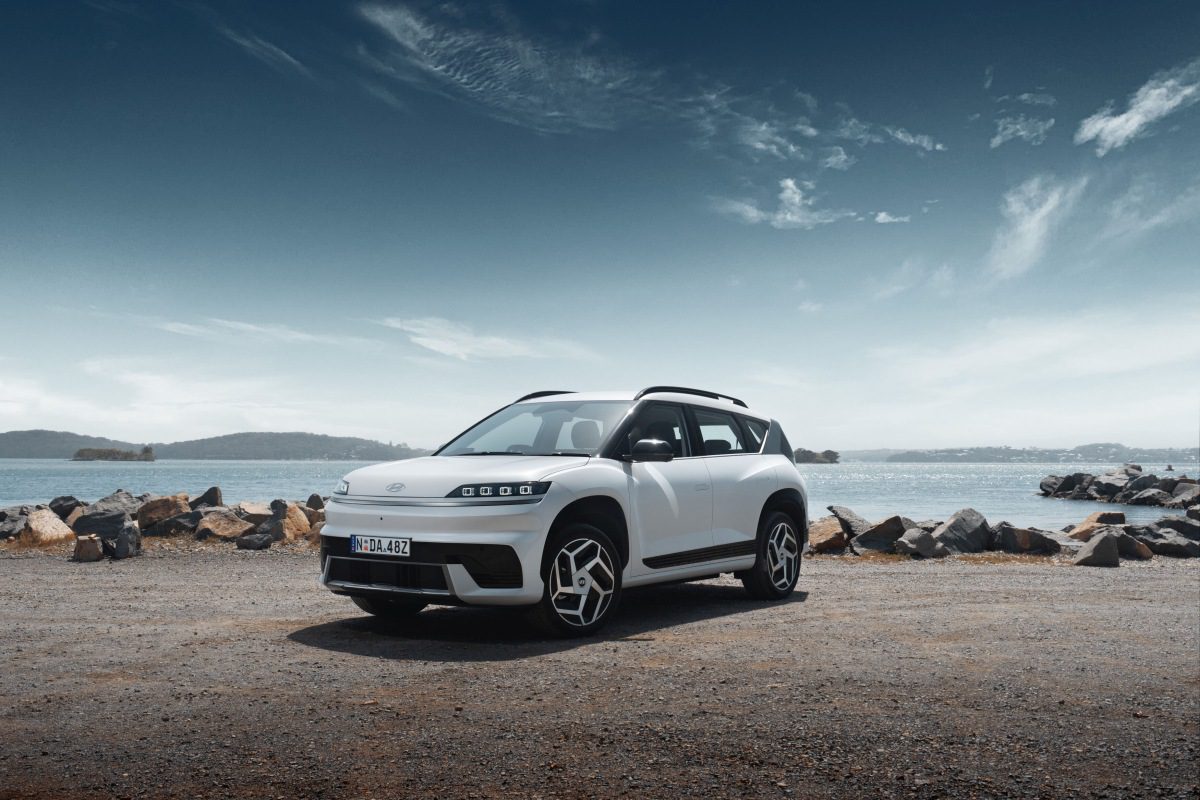

This variant will be powered by a front-wheel-drive version of the car that will have a 160 kW motor and 310 Nm of torque.
The car will feature an 88 kWh Lithium Iron Phosphate (LFP) battery, which will deliver up to 546 km of WLTP range. Vehicle to load (V2L) is also available, helping power electrical goods, straight off the battery.
Charging the Elexio on a fast charger can be done in 38 minutes, with the car charging from 10-80% in that time. That’s thanks to the 400 V E-GMP platform this model sits on.
Efficiency-wise, Hyundai’s spec data shows 18.2 kWh/100km which is on the high-side compared to the best-selling Tesla Model Y, which has a claimed consumption of around 14 kWh/100km.
This, of course, will need to be tested in the real world when the car lands in the first half of this year.
On the sizing front, the new Elexio sits between the Kona Electric and the Ioniq 5 and is likely to boost Hyundai’s local EV line-up in 2026.
Coming in 5 colours which include standard Crystal White, and the premium Medium Grey, Pebble Blue, Dragon Red and Phantom Black.
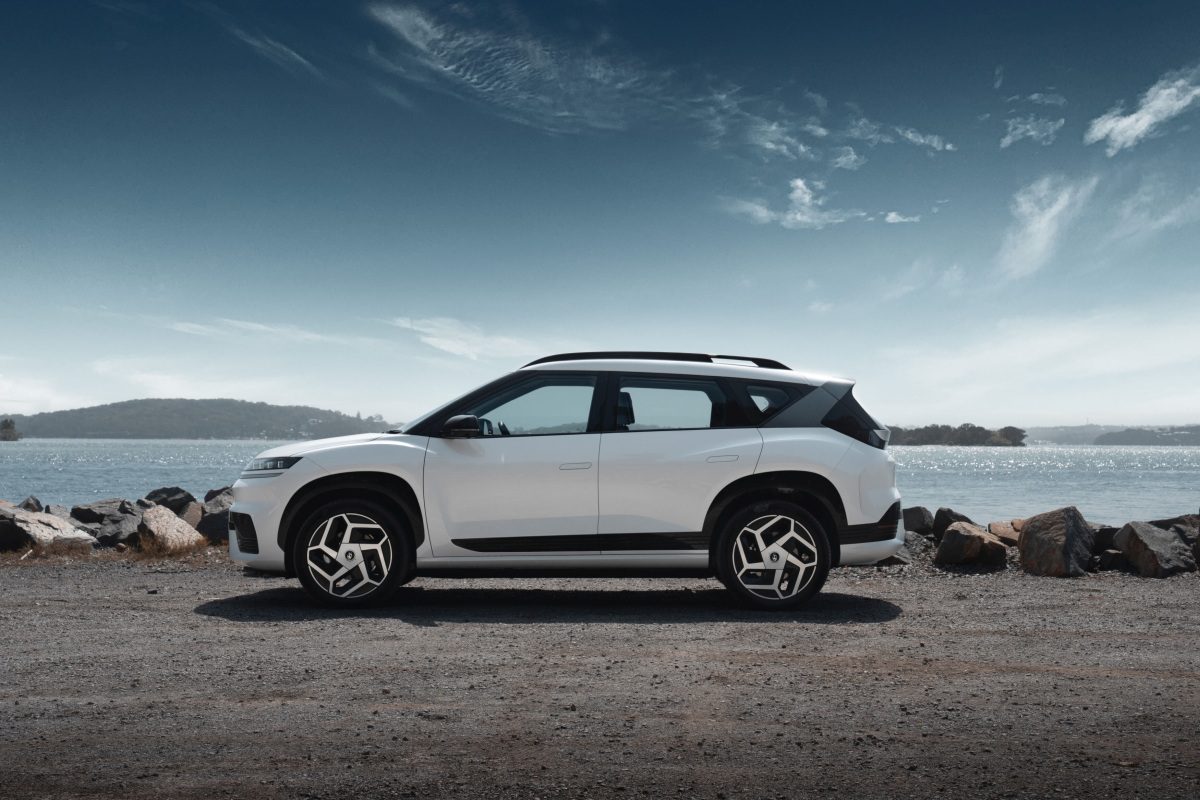
Styling-wise, the Elexio is unique compared to the brand’s previous electric offerings. From the outside, the car has flush door handles and reminds us a little bit of the Range Rover Evoque.
On the inside, there is a large 27-inch centre display screen and is quite different from existing models in Hyundai’s lineup in terms of screen placement and size.
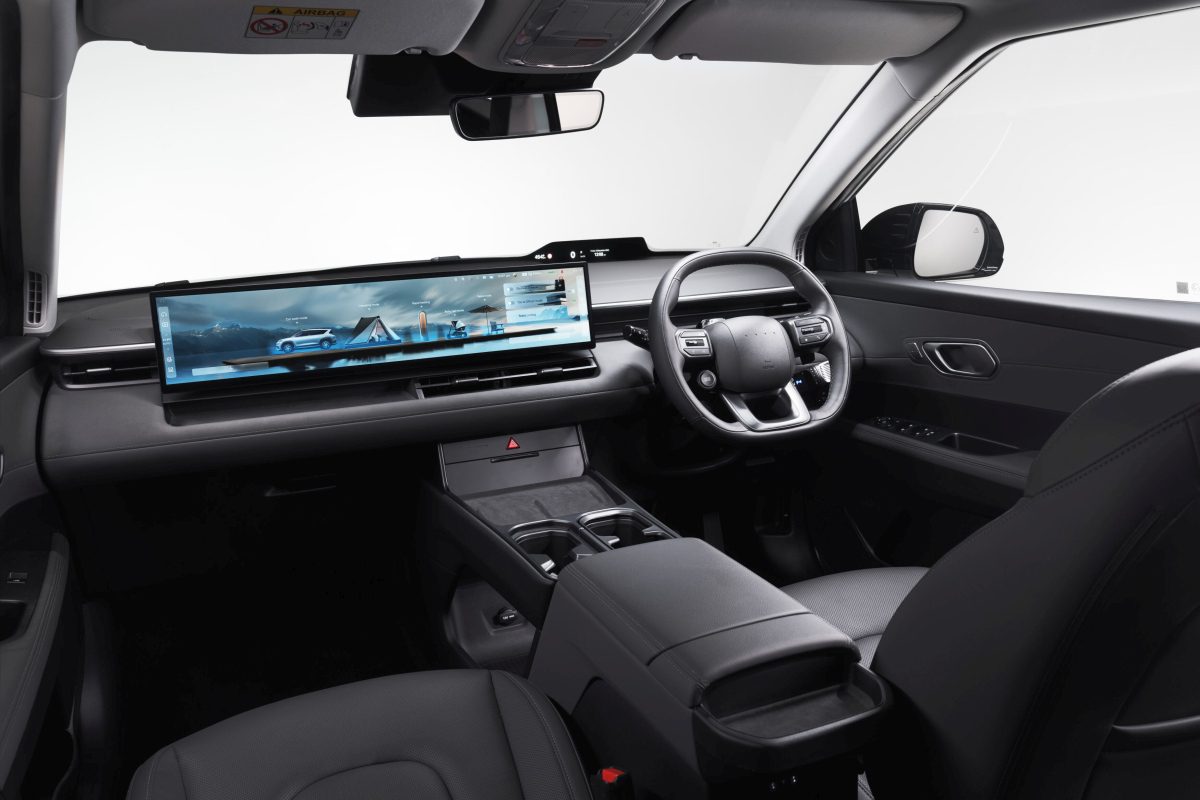

There is also a heads-up display, to help keep the driver’s eyes on the road, and if it’s like the ones on other Hyundai models, it’d be welcomed by many owners.
Boot space is also reasonable, with 506 litres available with the seats up. Once the back row seats are folded, it can be expanded to 1,540 litres.
According to the company, Hyundai has done extensive local ride and handling tuning on this model.
We previously reported on sightings of this model in Sydney around July 2025, which could have been undergoing this testing along with other tests to get the car into our market.
Final specs and features will be provided closer to launch in early 2026. With the EV market only heating up and the recent success of models such as the Kia EV5 hinting at solid demand for mid-size electric SUVs, the Elexio would be a model from Hyundai to keep an eye on in the first half of this year.

PRICING
| Variant | Powertrain | Drive Away |
| ELEXIO Elite | 160 kW 88 kWh FWD | $59,900 |
POWERTRAIN
| Elexio | |
| Battery Size | 88 kWh |
| Battery Type | LFP |
| Range (WLTP) | 546 km |
| Maximum Power | 160 kW |
| Maximum Torque | 310 Nm |
| Combined Fuel Efficiency | 18.2 kWh/100km |
| Charging (10 to 80%) | 38 mins (350 kW DC Charger) |
SPECIFICATION OVERVIEW
| Elexio Elite |
| Powertrain / Chassis |
| 88.1 kWh LFP battery, 546km AER range |
| 160 kW front motor |
| Battery Heating System + Heat Pump |
| Active Air Flap (AAF) |
| Shift-by-Wire (SBW); column type |
| Paddle Shifters (regenerative braking) |
| Drive Mode Select (Eco / Comfort / Sport / Snow) |
| Temporary Mobility Kit (TMK) |
| Safety |
| 9 Airbags (front, front side thorax + pelvis, rear side thorax, curtain & front centre side) |
| Front seat belts with height adjusters & pre-tensioners |
| Rear outboard seatbelt pre-tensioners |
| Rear power child safety locks (auto) |
| Blind-Spot Collision-Avoidance Assist (BCA); Rear/Exit |
| Blind-Spot View Monitor (BVM) |
| Driver Attention Warning (DAW) |
| Forward Collision-Avoidance Assist 2.0 (FCA 2.0); Car/Ped/Cyc/JT/JC/LO/LS/DO w/ESA |
| High Beam Assist (HBA) |
| Highway Driving Assist 2 (HDA2) |
| Hands On Detection (HOD); steering wheel w/haptic warning function |
| In Cabin Camera (ICC); Driver |
| Intelligent Speed Limit Assist (ISLA) |
| Lane Following Assist 2 (LFA 2) |
| Lane Departure Warning (LDW) |
| Lane Keeping Assist (LKA); Line/Road-edge |
| Manual Speed Limit Assist (MSLA) |
| Navigation-based Smart Cruise Control-Curve (NSCC-C) |
| Parking Collision-Avoidance Assist; Forward/Side/Reverse (PCA-F/S/R) |
| Rear Occupant Alert (ROA) w/o sensor |
| Rear Cross-traffic Collision Avoidance-Assist (RCCA) |
| Remote Smart Park Assist 3 (RSPA 3) |
| Surround View Monitor (SVM) |
| Smart Cruise Control (SCC 2) w/Stop & Go |
| Safe Exit Assist (SEA) |
| Tyre Pressure Monitoring System (TPMS) – High Line |
| Virtual Engine Sound System (VESS) |
| Exterior |
| 20″ x 8.0″ alloy wheels w/255/45 tyres |
| Roof rails |
| Body coloured side sills |
| LED Headlamps (4 Cube projection) w/Auto light control |
| LED DRL, positioning lamp |
| Dynamic Welcome Light (front) & dynamic turn signals (front + rear) |
| LED rear combination lamp |
| Rear spoiler w/LED High Mount Stop Lamp (HMSL) |
| LED rear fog lamp & LED reverse lamp |
| Heated & power folding outside mirrors w/ LED side repeater lamp |
| Acoustic film windshield |
| Tinted windshield, door & backlite glass |
| Auto flush door handles |
| Smart power tailgate |
| Interior |
| Leather appointed seat covering |
| Cloth roof trim + A -pillar trim |
| 4-spoke leather steering wheel |
| Satin chrome centre inserts |
| Console with suede-like material |
| Standard door scuff plates |
| Convenience |
| Smart Key w/push button start |
| Digital Key 2.0 (NFC type) |
14-way IMS (memory) driver seat; includes:
|
| 4-way power passenger seat |
| Front headrests w/tilt function |
| Heated & Ventilated front seats |
| Heated steering wheel |
| 60:40 spilt folding & reclining rear seat w/armrest & cupholders |
| LED interior lighting (with bulb cargo lamp) |
| Illuminated LED vanity mirrors |
| Electrochromic Mirror (ECM) inside rear view mirror |
| Auto up/down + safety windows; front & rear |
| Dual wireless charging pads |
| USB-C charger-front centre console (2 port) |
| USB-C data & charging port (1 port) |
| USB-C charger-console – 2nd row (2 port) |
| Inside V2L |
| Auto temperature control: Dual zone w/Auto window defog |
| Rear air vent & heating duct: 2nd row |
| Rain sensor |
| Multimedia/Display |
| Cluster 27″ Integrated Display |
| Head-Up Display (HUD) non-film Horizon type |
| Navigation (AVN) |
| Bluelink (Connected Car Services) |
| Over The Air (OTA) software updates |
| 6 speakers |
| Voice Control with 4-zone voice recognition |


Riz is the founder of carloop based in Melbourne, specialising in Australian EV data, insight reports and trends. He is a mechanical engineer who spent the first 7 years of his career building transport infrastructure before starting carloop. He has a passion for cars, particularly EVs and wants to help reduce transport emissions in Australia. He currently drives a red Tesla Model 3.
