
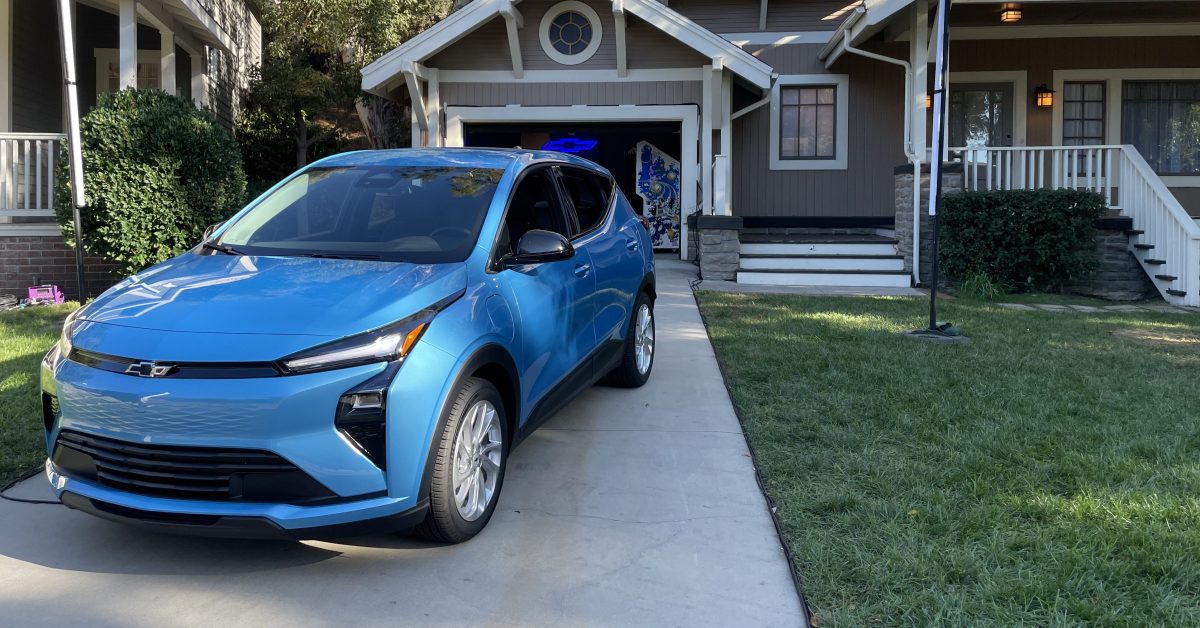

Chevy is delivering 2027 Bolts to dealerships as we speak, bringing back the much-beloved electric hatchback which had been retired in 2023, with some nice updates but a very familiar form.
But it may not last for too long – GM says this refresh is only available for a “limited time,” so get it while you can.
The Chevy Bolt was originally released in the 2017 model year. It was GM’s first real, modern effort at an EV, designed to be all-electric rather than a compliance car like the old Chevy Spark EV. (GM did previously design the EV1 from the ground up, but it came along before the lithium ion era of EVs, and was decidedly a compliance car).
It was also a great car. Not only was it a good size unlike the ridiculous land yachts we’re seeing so many of today, it had a phenomenal price, especially near the end of the model’s life. It was good enough to be Electrek’s vehicle of the year for 2022.
But, due to an extended recall and because the Bolt used GM’s first-gen EV platform, rather than its whiz-bang new “Ultium” battery system, GM retired the vehicle in late 2023, even though it was having its best sales year ever.
But, that wasn’t the end for the model. After declaring the Bolt dead but before ending production on it, GM said that it would bring back an Ultium-based Chevy Bolt (which our publisher Seth Weintraub has taken to calling the “Boltium”).
What’s the new Bolt like?
Then in October, we finally got a chance to see the 2027 Bolt at a private event in Universal Studios, Hollywood.
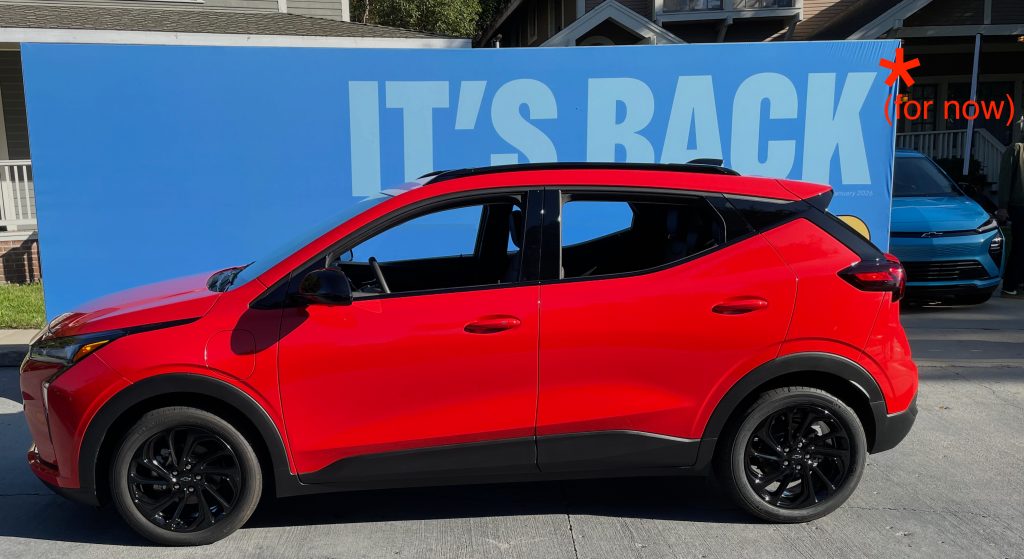
In short, it had a lot of the same stuff we loved from the old Bolt, and looked about the same from the outside (though it took the form factor of the larger EUV instead of the smaller EV, which disappointed me).
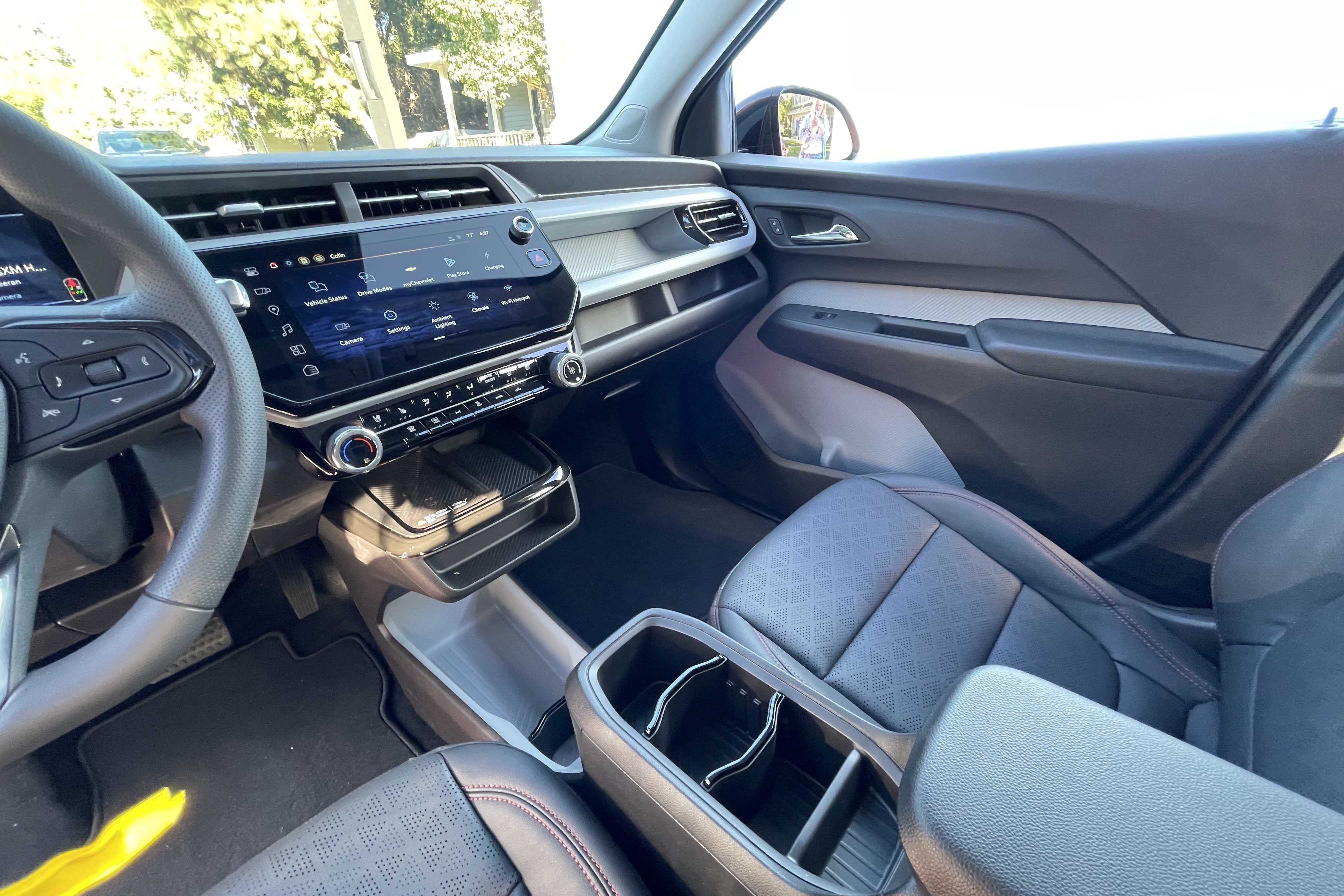
The interior saw a few more changes than the exterior, most notably with the controversial removal of CarPlay. Personally, I don’t mind this, and I think that people should give it a try, as I think a properly integrated infotainment system is better than a one-size-fits-all phone projection system.
And of course, the underpinnings of the car changed too – a whole new battery, to get away from the problems with the previous LG-supplied pack. The new battery uses LFP cells from CATL.
This different cell chemistry is rare in EVs in the US, but offers some interesting advantages, most notably in terms of durability. Whereas other EVs typically suggest charging to 80-90% for daily use and only 100% on trips and such, most manufacturers say you can go ahead and charge LFP to 100% daily.
The downside of LFP is that it’s less energy-dense – but with more modern technology, Bolt has still managed to fit 65kWh of cells into the new Bolt.
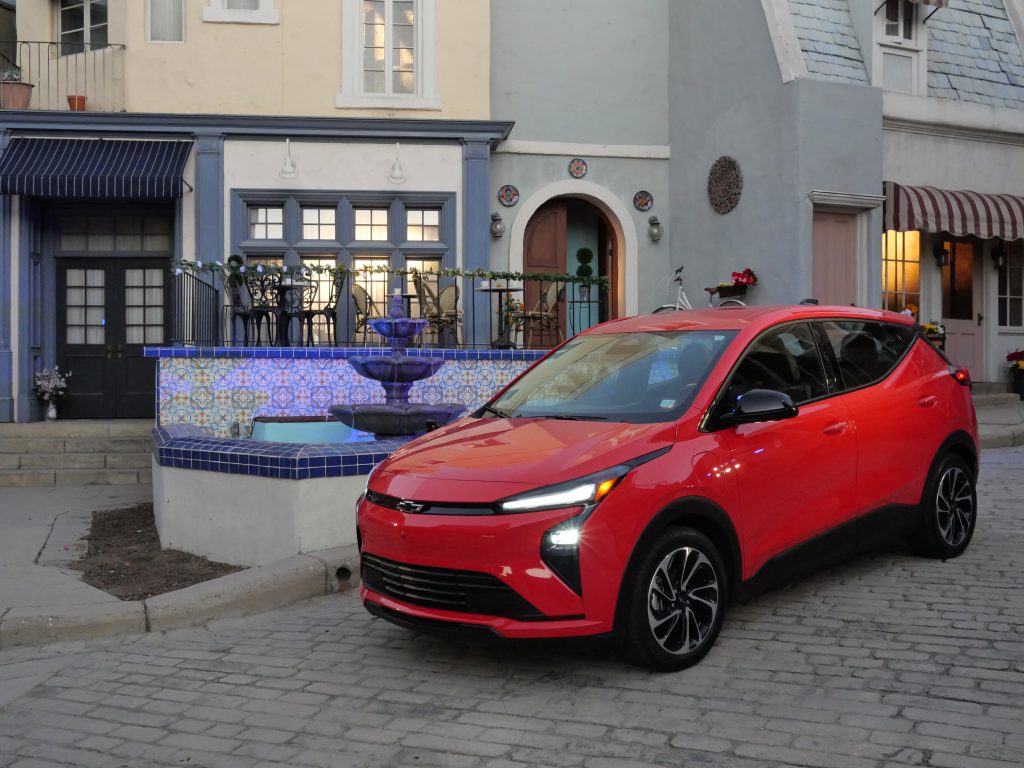
The one major issue with the old Bolt was fast-charging capability, which was capped at 50kW. The new 2027 Bolt will charge much faster, with a peak 150kW charge speed, and 10-80% charge in 26 minutes. Much more in line with current DC charge speeds – and it’s got a NACS port, too, for better compatibility.
The new Bolt can also discharge at up to 9.6kW when connected to GM’s V2H home products, allowing it to power your home – which is pretty impressive from the cheapest EV in America.
And best yet, it starts at $28,595. That makes it the cheapest EV available in America… for now. The Nissan Leaf is close, with a starting MSRP $34,230 on the current cheapest SV+ model, and with an S+ model is coming at $29,990 this fall. Plus, there might even be a base Leaf S model at one point with a smaller battery and an even smaller base price.
But for now, the Bolt is the cheapest. And the best part is that it’s available now, not this Fall.
Today’s updates: it’s heading to dealerships now, with slightly increased range
After years of waiting (and a couple months after seeing it in person) the Bolt is finally back.

Chevy sent out an email today to let us know that the Bolt is being delivered to dealers now. So, your local dealer might not have it quite yet, but it should show up quite soon. (You can click here to get in touch with local dealers, and perhaps get yourself on a list for when the car shows up).
And there’s even more good news: GM had thought its new LFP battery would be good for 255 miles of EPA-rated range, but today it has updated its range rating to 262 miles. That extra 7 miles isn’t a whole lot, but it means the new model now has more range than both the old EUV and the old Bolt EV.
But, the shadow of “limited availability” remains. Chevy is calling this the 2027 Bolt, despite that 2026 just started, so that suggests to us that it will be available at least through some portion of next year, but they haven’t committed to anything publicly.
We’re sure that market reception will be a component of how long GM decides to retain the Bolt – and it’s a rough time for market reception right now, given republicans just inflated the price of every EV by $7,500, alongside other clean air rollbacks (many of which GM lobbied for…).
Nevertheless, as it stands today, the Bolt is the best EV deal in America, and it’s a nice car too. And your dealer should be getting it soon, so if you’re interested, get in touch with them today.
If you’d like, you can use our links to contact your local dealers about the 2027 Chevy Bolt EV, and see if they have any in stock. Same goes for the Nissan Leaf, if that model is more your taste.


FTC: We use income earning auto affiliate links. More.
