
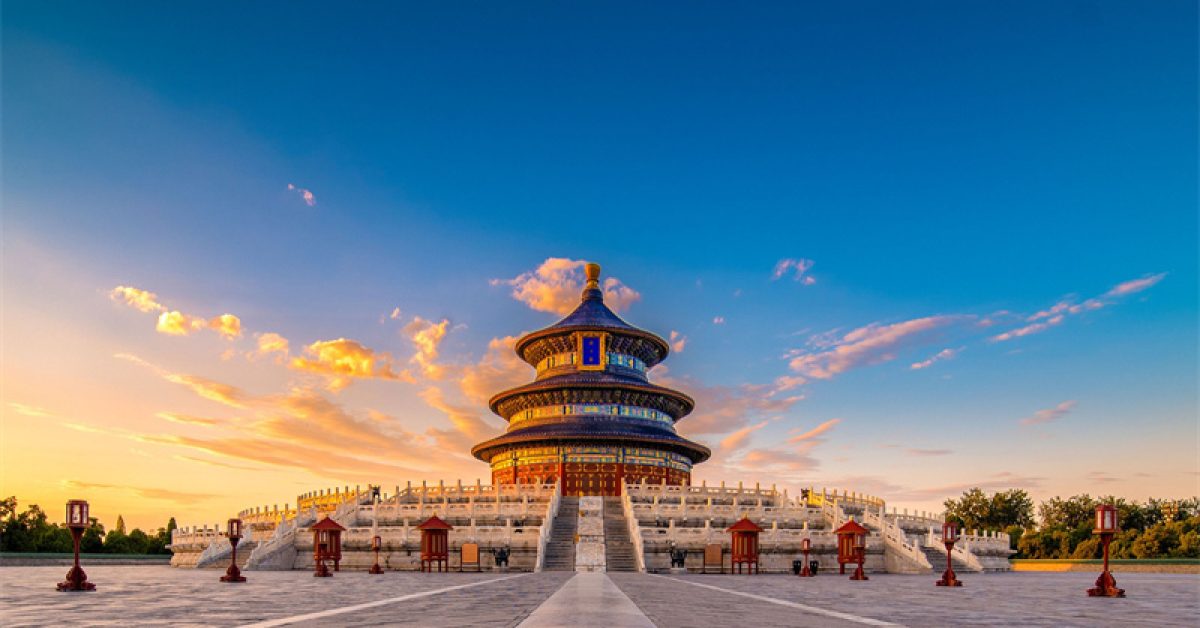
Beijing reported cleaner air than ever in 2025, with 348 days of good or moderate air quality. It’s largely thanks to strict emissions regulations and the growth of electric cars in Chinese cities.
In 2008, Beijing hosted the Olympics, acquainting the world with the Chinese capitol. The Olympics were an event full of spectacle, but some of the enduring images that made their way into Western media were those of Beijing’s gray skies, particularly in the run-up to the event.
Between high air pollution from industrial and automotive sources, Beijing’s characteristic geography surrounded by mountains which trap pollution (much like Los Angeles), and long focal length photos that exaggerated the density of smog, there was a bleak shadow over the event.
Many outside of China used those photos to criticize the country, with some athletes refusing to compete due to the pollution. The images endured in the minds of the world, painting a picture of a polluted China.
But this perhaps also functioned as a wake-up call for the city and country. Beijing went to great effort to clean up the skies, with emergency measures like shutting down factories and coal plants and restricting drivers in the times around the games. The emergency measures helped, but these were obviously not a long term solution.
Beijing’s air pollution continued to get worse for some years after the games as China continued to industrialize, grow, and urbanize, but since reaching it’s peak in 2013, the city has seen a drastic drop in pollution.
And with this week’s news, Beijing claims an average PM2.5 concentration of 27µg/m³ in 2025, down from an average of over 100 in 2013.
That means 348 days out of the year had “good” or “moderate” air quality in 2025, which is 144 more days than the same city experienced in 2013. Beijing only had one “heavy” air pollution day in 2025, compared to 58 such days in 2013.
It’s the cleanest year of air the city has recorded, with the lowest average pollution levels, most clear air days, fewest heavily polluted days, and longest streak of clean air days since Beijing started monitoring its air quality.
The change has been a result of government policy focusing on smog reductions, including restrictions on heavy industry. But also, specifically a large chunk of it has been due to the rise of the electric car in China.
The Chinese EV industry has seen a drastic increase in sales in recent years. In 2020, only 5% of new cars sold in China had a plug on them, and in 2025, that number is over 50%. Part of the reason for this has been the boom in EV manufacturing in China and the growth of many upstart manufacturers, and another part has been due to strong national emissions regulations, both resulting in a massive drop in value for fossil-fueled vehicles.
The transformation has been quite apparent in Chinese cities, with noise and pollution dropping rapidly as more and more cars become electric. Visitors notice just how pleasant Chinese cities can be these days as a result.
Beijing implemented some of its own specific restrictions on cars, limiting registration for non-electric vehicles and only allowing them to drive on certain days of the week. This not only reduced pollution from those vehicles, but drove buyers to cleaner vehicles instead – or to public transport, which is an even cleaner way to get people around a city.
But it’s not a surprise that strong government policy and a shift to cleaner vehicles would result in air quality gains. Of course common sense suggests that if you stop spewing stuff out of a million tailpipes, the air will clean up, but we’ve also seen unsurprising results in California, London and New York that, yes, knocking it off with pollution is a good thing. Now, we can add Beijing to that list, with the vast gains it has seen over a decade of consistent effort to make its citizens’ lives better.
Charge your electric vehicle at home using rooftop solar panels. Find a reliable and competitively priced solar installer near you on EnergySage, for free. They have pre-vetted installers competing for your business, ensuring high-quality solutions and 20-30% savings. It’s free, with no sales calls until you choose an installer. Compare personalized solar quotes online and receive guidance from unbiased Energy Advisers. Get started here. – ad*


FTC: We use income earning auto affiliate links. More.
