
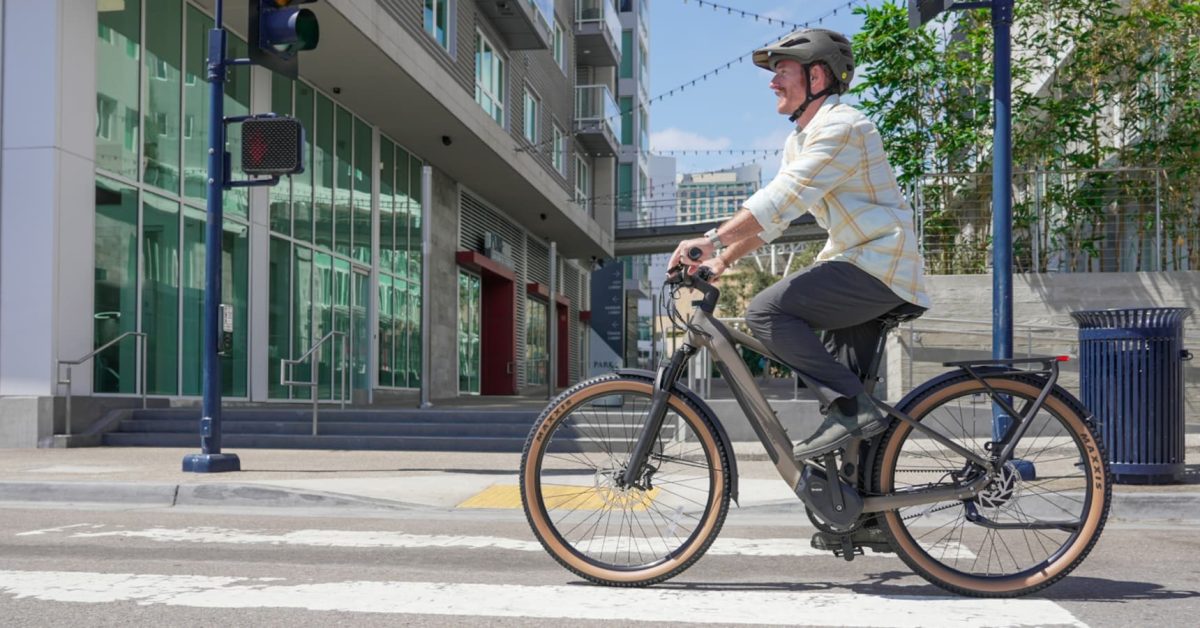
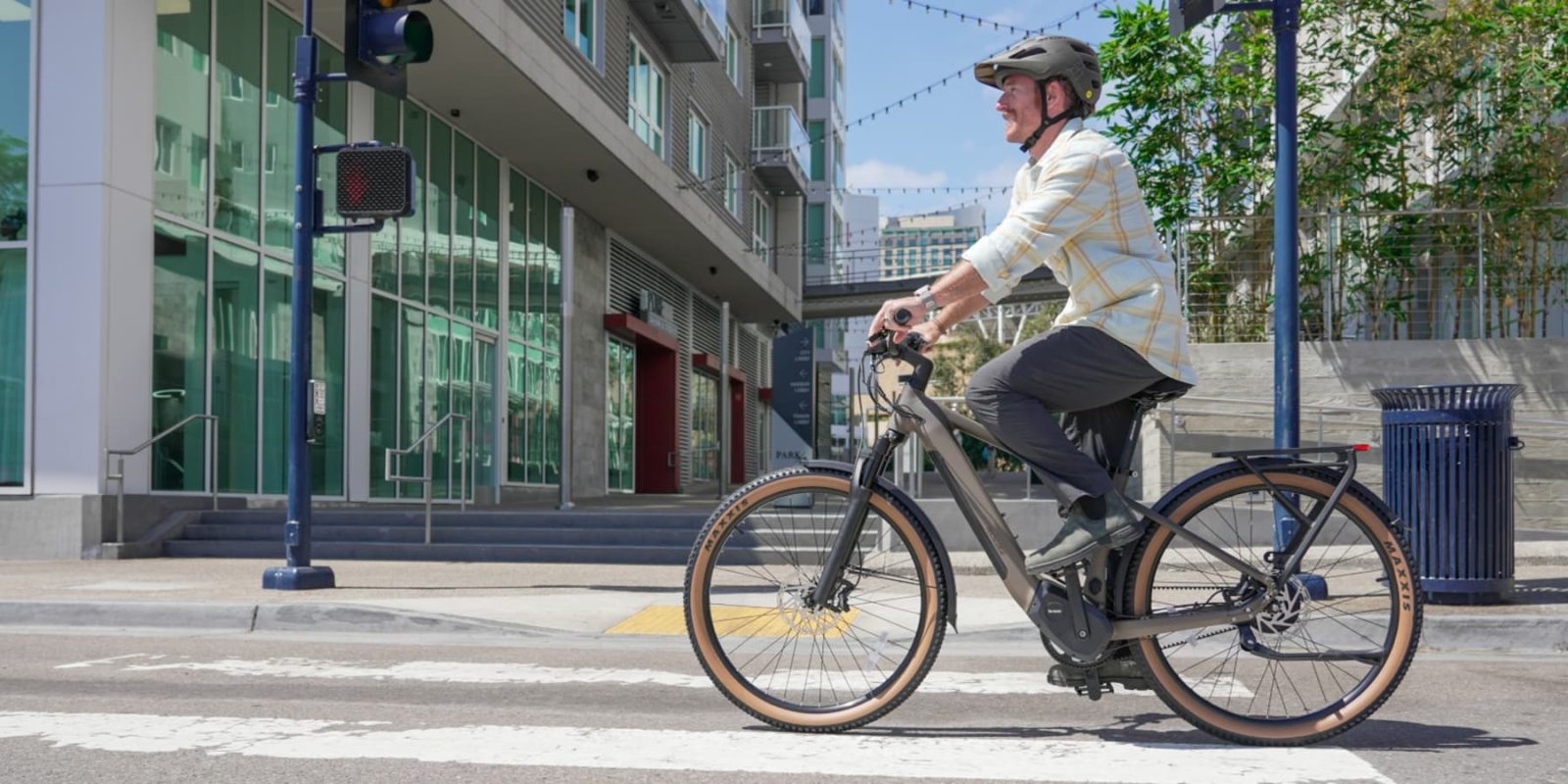
One of the biggest unanswered questions for many folks considering an e-bike isn’t how a bike rides on day one, but rather how it holds up after years of daily use. Reviews and first impressions are everywhere, but genuine long-term ownership stories are surprisingly rare. That’s why a recent shared case from a rider who just crossed 10,000 miles (16,000 km) on their e-bike caught my attention.
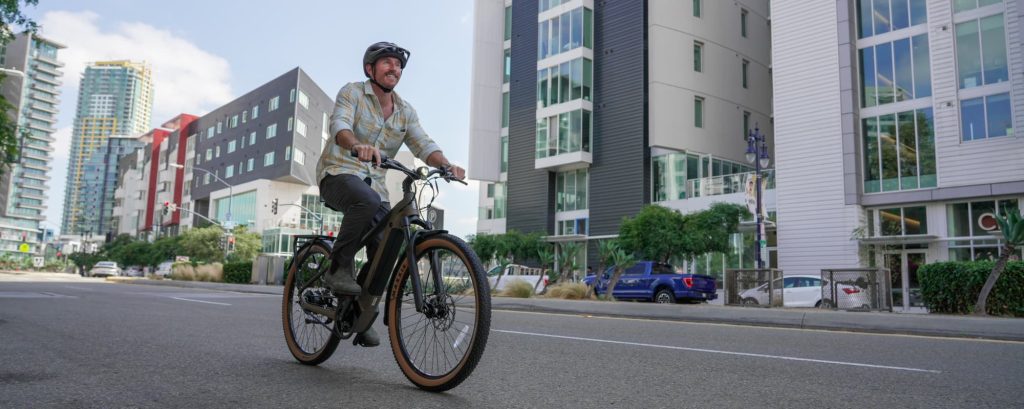
The bike in question is the Ride1Up Prodigy V2, purchased in March 2023 for $1,595 and ridden daily for commuting, plus weekend rides.
In just over two years, the owner shared on social media how he racked up mileage that many e-bikes will never see, offering a valuable look at real-world durability, maintenance costs, and what actually wears out over time.
What survived 10,000 miles without drama
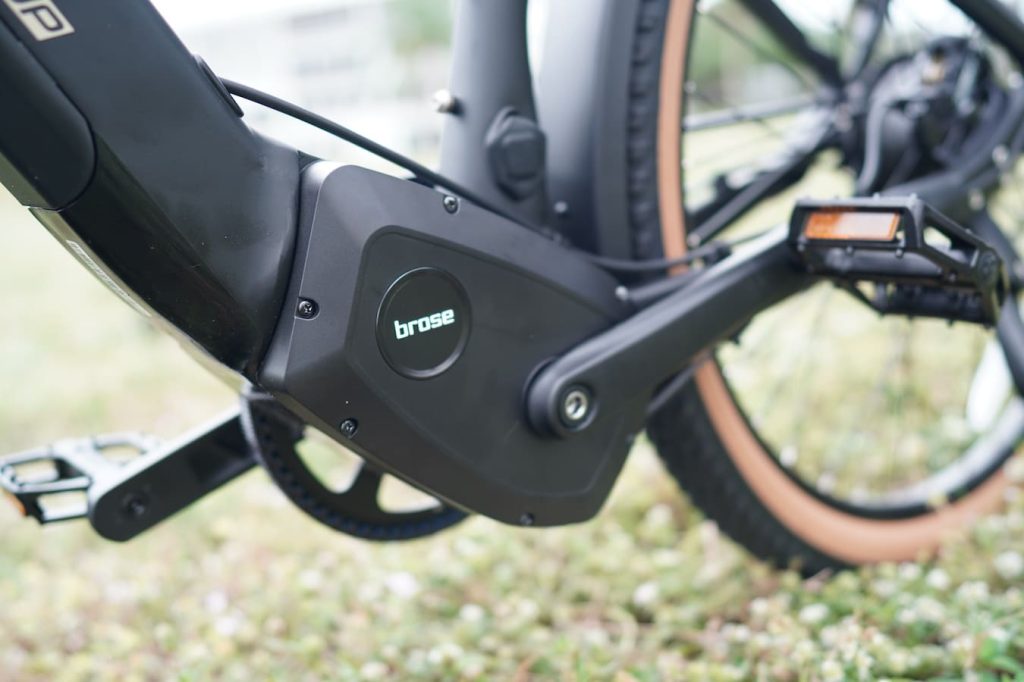
According to the rider, the core components that most people worry about are still going strong. The frame and fork remain solid, with no signs of cracking or fatigue. The Brose mid-drive motor is still delivering full power without strange noises or noticeable performance loss, which is notable given how much stress daily commuting can put on a drivetrain.
Even more impressive is the battery. After 10,000 miles, the owner reports that it still holds more than 80% of its original capacity. For riders anxious about battery degradation, that’s a reassuring data point, especially considering this bike wasn’t babied or kept as a weekend-only toy.
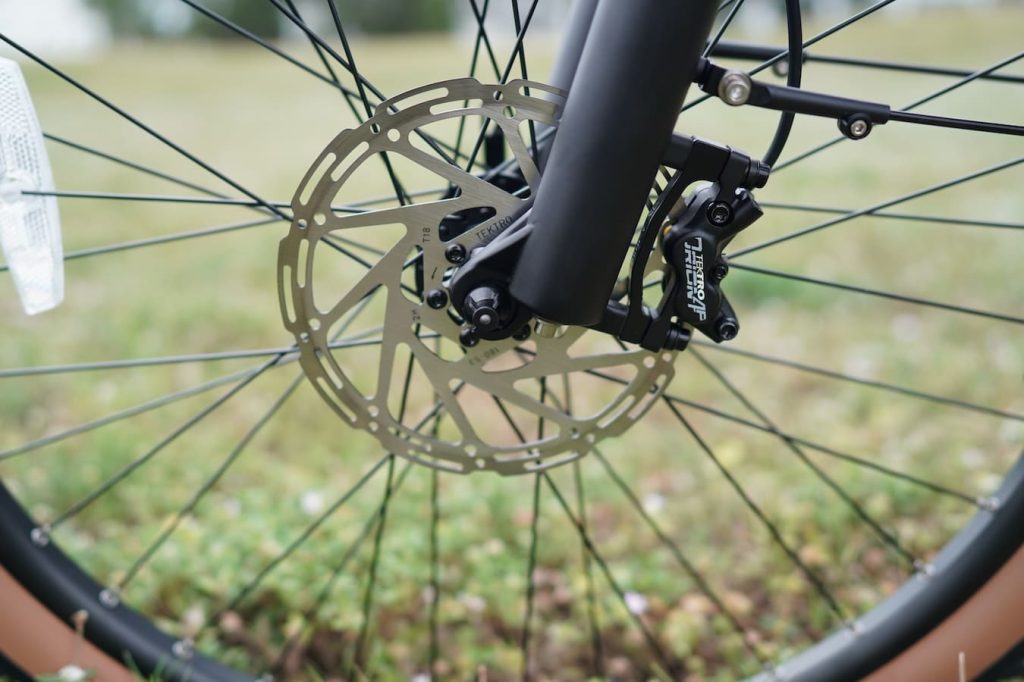
Shifting performance has also held up well. The Shimano derailleur is still shifting smoothly after basic adjustments, and the Tektro brakes continue to perform properly with routine pad replacements.
What actually wore out (and what it cost)
Unsurprisingly, the consumables did their job and then needed replacing. Over 10,000 miles, the owner went through three chains, two sets of brake pads, one set of tires, and one cassette. The total cost for all of those parts came to around $295.
While maintenance isn’t negligible, it’s also not a shocking amount. In fact, it lines up closely with what you’d expect from a traditional bike ridden hard and often. None of the replacements were exotic or difficult to source, and most of the work could be handled by a local bike shop if the owner doesn’t have the skills to do it themselves. But honestly, changing parts like tires and brake pads can be performed by just about anyone with the help of a YouTube video.
The comparison that really matters
The rider also offered an unintentional experiment in contrast. A friend of his bought a cheaper, dropshipped Chinese white-labeled e-bike around the same time. That bike’s motor failed at around 3,000 miles (4,800 km), the replacement process dragged on for months, and the battery began losing capacity quickly after the first year. Eventually, it was sold for parts.
The takeaway wasn’t that budget e-bikes are always bad, but that buying from a US-based company with parts availability and responsive support can make a massive difference once the honeymoon period ends. In this case, the owner noted that customer support responded within hours when needed, and that local shops could service nearly everything on the bike.
The cost-per-mile reality check
Here’s where the story gets especially interesting. The bike’s $1,595 sale price divided by 10,000 miles works out to about $0.16 per mile. Add in maintenance, and it’s roughly $0.19 per mile.
That’s a fraction of the average mileage rate for cars, which usually sits at between $0.60 to $0.80 per mile, depending on the metrics used. Even if the bike were to fail catastrophically tomorrow, the owner pointed out they’d still be far ahead financially. And based on current performance, it looks like the bike still has many more miles to go.
Electrek’s Take
This is exactly the kind of long-term ownership story the e-bike industry needs more of. As one of several e-bike reviewers on the internet, I try to help people understand the important features of new bikes, but it is hard for me to take any one bike and do long-term, in-depth testing. I tend to jump from one bike to another a few times a month, but owners who spend months and years on the same bike every day can help give us the deeper knowledge that comes with that kind of long-term experience on a single model.
10,000 miles with minimal issues shows that a well-chosen, mid-priced e-bike can be a serious transportation tool. It also reinforces a lesson I’ve seen repeatedly: spending a bit more upfront on a bike from a reputable brand can pay off dramatically over time compared to a bargain basement Amazon special e-bike.
No e-bike will last forever, but 10,000 miles of reliable service is a strong argument that the right e-bike can replace a car for many trips, and do it at a fraction of the cost.


FTC: We use income earning auto affiliate links. More.
