
Applications have been open since 29 December via the Portuguese Environmental Fund, ‘Fundo Ambiental’, and will remain available until 12 February 2026. If the funding budget is exhausted earlier, the programme will close accordingly.
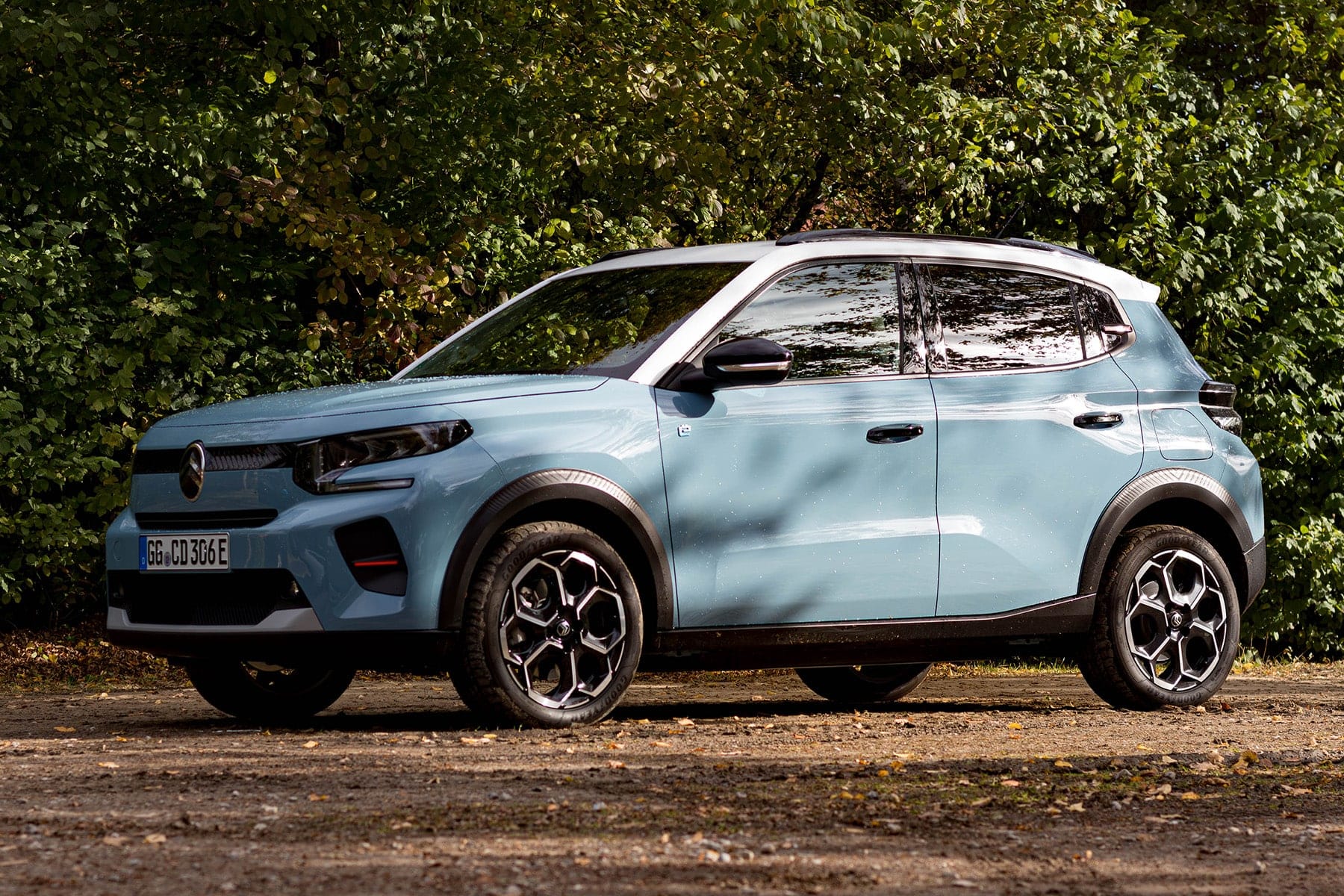
Private individuals can receive a grant of up to €4,000 for the purchase of a battery-electric car, while private social organisations, transport operators, and municipalities may receive up to €5,000. However, the maximum vehicle price is capped at €38,500 (gross). For electric cars with more than five seats, the purchase price must not exceed €55,000 (gross). In March 2025, net prices were still mentioned.
To qualify for the incentive, buyers of a new electric car must scrap a vehicle that is at least ten years old. This requirement applies regardless of whether the subsidised purchase price is up to €38,500 or, for vehicles with more than five seats, up to €55,000. For commercial applicants, the incentive is further limited: a maximum of four vehicles per applicant can be subsidised. Light commercial vehicles with electric powertrains are excluded from this programme, though a separate announcement is expected for them.
In addition to battery-electric passenger cars, the Portuguese government is also supporting cargo bikes, both with and without electric assistance. Grants cover 50% of the purchase price, including VAT, with a maximum of €1,500 for electric cargo bikes and €1,000 for non-electric models. For conventional pedelecs, the maximum grant is €750, while bicycles without electric assistance are eligible for up to €500. Private individuals may apply for funding for one two-wheeler, while commercial buyers can apply for up to four vehicles.
For electric motorcycles, e-scooters, electric trikes, and electric quad bikes, the government provides a grant covering 50% of the purchase price (including VAT), up to a maximum of €1,500. Here, too, private individuals may receive a subsidy for one vehicle, while commercial buyers may apply for up to four units.
In addition to electric vehicles, the Portuguese government has allocated part of the funding to support the installation of charging stations in multi-family residential buildings. The charging station itself is subsidised at 80% of the retail price, with a maximum grant of €800 per unit. Additionally, electrical installation work is covered at 80% of the costs, up to a maximum of €1,000 per parking space. The funding is limited to one charging station per property owner, with a maximum of ten charging stations per residential unit.
According to the Portuguese government, the aim of this measure is to support the decarbonisation of the transport sector, “which is responsible for the majority of carbon emissions in Portugal.” The ultimate goal is to accelerate the electrification of vehicle fleets and promote more sustainable forms of mobility.
“We are committed to reducing emissions in the transport sector and everyone has a responsibility to make the best choices. The government is responsible for encouraging decarbonisation, helping people anticipate the green transition,” said Maria da Graça Carvalho, Minister for Environment and Energy.
theportugalnews.com, portugal.gov.pt, fundoambiental.pt (both in Portuguese)
