
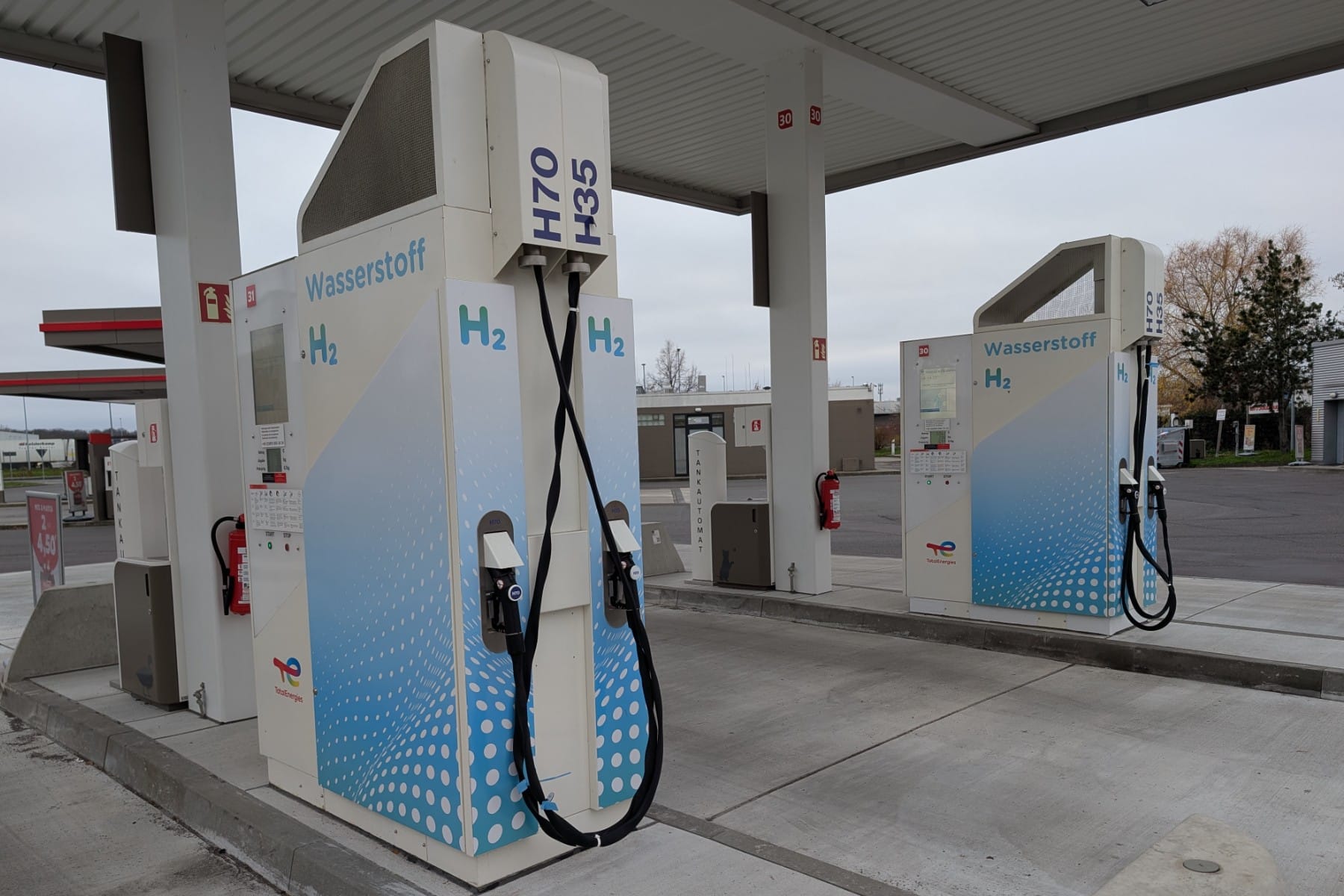
The renowned Chair of Production Engineering of E-Mobility Components (PEM) at RWTH Aachen University, led by Prof. Achim Kampker, is focusing its efforts in the research project ‘HyConnect’ on developing a digital platform to enable the efficient use of existing and future hydrogen infrastructure. The project also involves hydrogen refuelling station operator H2 Mobility, hydrogen producer and logistics provider H2 Green Power & Logistics, logistics software provider Mansio, and the ‘Digital Supply Chain’ research group at Offenburg University of Applied Sciences.
Over the next two and a half years, the project, funded by the German state of North Rhine-Westphalia, aims to develop a tool that will allow users to reserve refuelling station capacities, streamline payment processing, and create transparency and planning security. These advancements are expected to support the market ramp-up of hydrogen technologies.
One of the biggest challenges for the adoption of hydrogen-powered vehicles has so far been the inadequate refuelling infrastructure. In Germany, there are currently fewer than 100 hydrogen refuelling stations: last year, a significant number were even shut down, including outdated first-generation 700-bar refuelling stations. Conversely, the number of hydrogen refuelling stations in Europe is expected to expand significantly by 2030 under the AFIR regulation, likely the last glimmer of hope for logistics companies relying on fuel cell trucks.
“Sparse infrastructure and low storage capacities of hydrogen filling stations can necessitate time-consuming and costly detours for logistics companies,” says Professor Achim Kampker, Head of PEM. On the other hand, the still low number of hydrogen trucks leads to planning uncertainties for refuelling station operators, who pass these on in the form of high prices. “Efficient data exchange between IT systems can significantly reduce these effects, but this is often only possible on a small scale using individually developed and therefore cost-intensive tools,” explained Maximilian Bayerlein, PEM’s project manager.
The future reservation and booking platform from ‘HyConnect’ will therefore combine data on hydrogen demand from truck fleet operators with information on hydrogen availability from refuelling station operators. This is intended to enable precise planning and help prevent supply bottlenecks.
In the long term, the solution aims to increase the market share of hydrogen trucks and encourage investments in infrastructure by minimising risks for all stakeholders. To achieve this, the project partners are developing solutions for hydrogen pricing and a universal AI-based data interface.
pem.rwth-aachen.de
